
June 2026 – Month of the Yang Wood Horse – Jia Wu 甲午
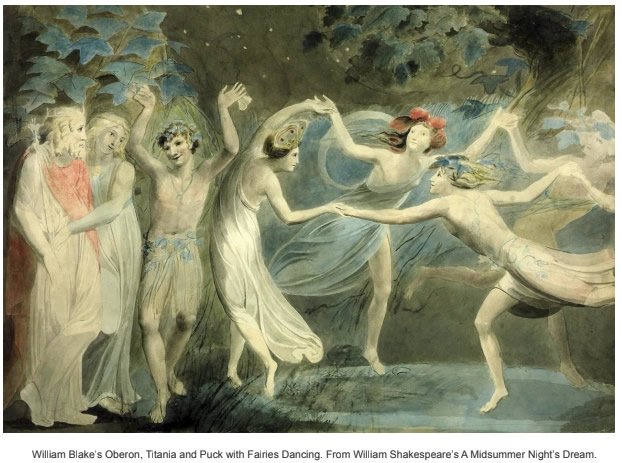
Midsummer: The Magical Portal
– June 2026 –
This month brings a rare and intense celestial alignment. We’re in a double Fire Horse year and now the month itself is ruled by the Yang Wood Horse—with no Water anywhere in the chart. Fire and Wood.
Without Water, there’s no diplomacy, no patience, no behind-the-scenes negotiation. What’s left is restlessness, heat, and a demand for immediate results. Historically, Yang Fire years with no Water have correlated with open warfare and high-intensity confrontations. On a personal level, expect high turnover in jobs, relationships, and policies. This is a short-attention-span crisis in real time. It’s going to be a hot month!! So here we are: soon to be standing still (summer solstice) in a month that won’t slow down. The tension is real. The invitation is to notice it—without getting burned. And that’s where midsummer comes in.
The Magical Portal
Midsummer—the magical portal just after the summer solstice—will soon be upon us. This celebration predates Christianity and has existed under different names and traditions around the world. The word solstice means “standing still,” and for a brief moment, the sun appears to pause before beginning its quiet journey back. It is the peak point of the rising tide of the solar in-breath for those in the Northern Hemisphere—and of the out-breath for those south of the equator.
Throughout Europe, June 24th is known as Midsummer’s Day. Traditionally, bonfires are lit to clear away stagnation and bless the land’s fertility. For many pagans and Romani communities, it is also a time to bathe “sky clad” while honoring the Sun—a practice still cherished by some modern nature-based traditions.
The Freemasons celebrate this day also as the “Festival of John the Baptist,” who is seen as a bright and shining light. It is believed to be his birthday and is the first day of their new year. June 24th was chosen to mirror the birth of Jesus on December 25th—three days after the winter solstice, when St. John the Evangelist was born. Freemasonry historically sees both St. John the Baptist and St. John the Evangelist as its patron saints. It was also the beginning of the New Year for the ancient Egyptians and Greeks because Sirius (the brightest star in the sky) was directly overhead. June 26th is the “holy” day for alchemists because the spiritual energies of the invisible sun of our sun and the invisible sun of Saturn are at their maximum strength.
According to European folklore, evil spirits would appear on Midsummer’s Day. To ward them off, people would wear protective garlands of herbs and flowers. One of the most powerful of these plants was known as “chase devil.” Today it’s called St. John’s Wort.
In ancient China, midsummer celebrations honored the Earth, femininity, and yin. Interestingly, with the most intense yang energy of the solstice lessening and turning southward, the coming influence of yin energies was celebrated. This energy would gain in power until it reached its height on the winter solstice. Honoring the balance between yang and yin was—and continues to be—essential. It is believed that if these cycles become out of sync, imbalance will follow.
For cultures worldwide, gold was the earthly symbol of the sun—incorruptible,
sacred to solar deities. Gold symbolizes the union of heaven and earth. The golden wedding ring (sun-circle) is still placed on the ring finger, named after Apollo, the sun god. Traditionally, most weddings took place in June so the fruit of the union would be born in the spring. Midsummer was seen as a time to celebrate fertility.
Lily Kolisko, the well known anthroposophist researcher, found that gold chloride in a test tube, when activated by the sun during midsummer, crystallized as the color of a peach blossom, or violet. In Feng shui, “peach blossom” is the color of romance. Goethe, in his color chart, saw it as the purest color—the color of the soul.
How to Navigate This Hot Month Without Getting Burned
You can’t add Water to the chart. But you can add practices that cool, ground, and lengthen your attention span—using midsummer traditions as your guide.
Here are some suggestions:
1. Light a small, contained fire. Not more heat—a single candle on June 24th. As it burns, ask: What needs to burn off? Stagnation. Impulsiveness. The urge to quit something too fast. The old European bonfires cleared the way for fertility. Let yours clear the way for patience.
2. Wear or place St. John’s Wort. Traditionally called “chase devil” to ward off
harmful spirits. This month, the “devil” is restlessness. A sprig in your pocket, on your desk, or as a flower essence is a physical reminder to pause before reacting.
3. Choose one thing you’re tempted to abandon. A relationship. A job task. A policy or commitment. Then wait three extra days before deciding. Horse energy wants immediate results. You win by delaying just slightly.
4. Honor yin daily. Ancient Chinese midsummer celebrated the return of yin—
darkness, stillness, reception. Do one quiet, non-productive thing each day. Five minutes of sitting. A walk without a podcast. Staring out a window. This is your Water substitute.
5. Wear or hold something gold. Even a small ring or a gold-colored charm. Remember: gold is incorruptible solar energy. It symbolizes union rather than conflict. Let it remind you that heat can create marriage, not just warfare.
We are about to enter a magical moment—honored for millennia. Whether you light a candle, wear St. John’s Wort, pause to feel the sun on your skin, or simply take three deep breaths before reacting, you are part of an unbroken circle of reverence.
The bonfires are real. So is the stillness just after the solstice. You don’t have to choose between them. You just have to remember which one you bring to the fire.
Happy Midsummer
Love Carol


